
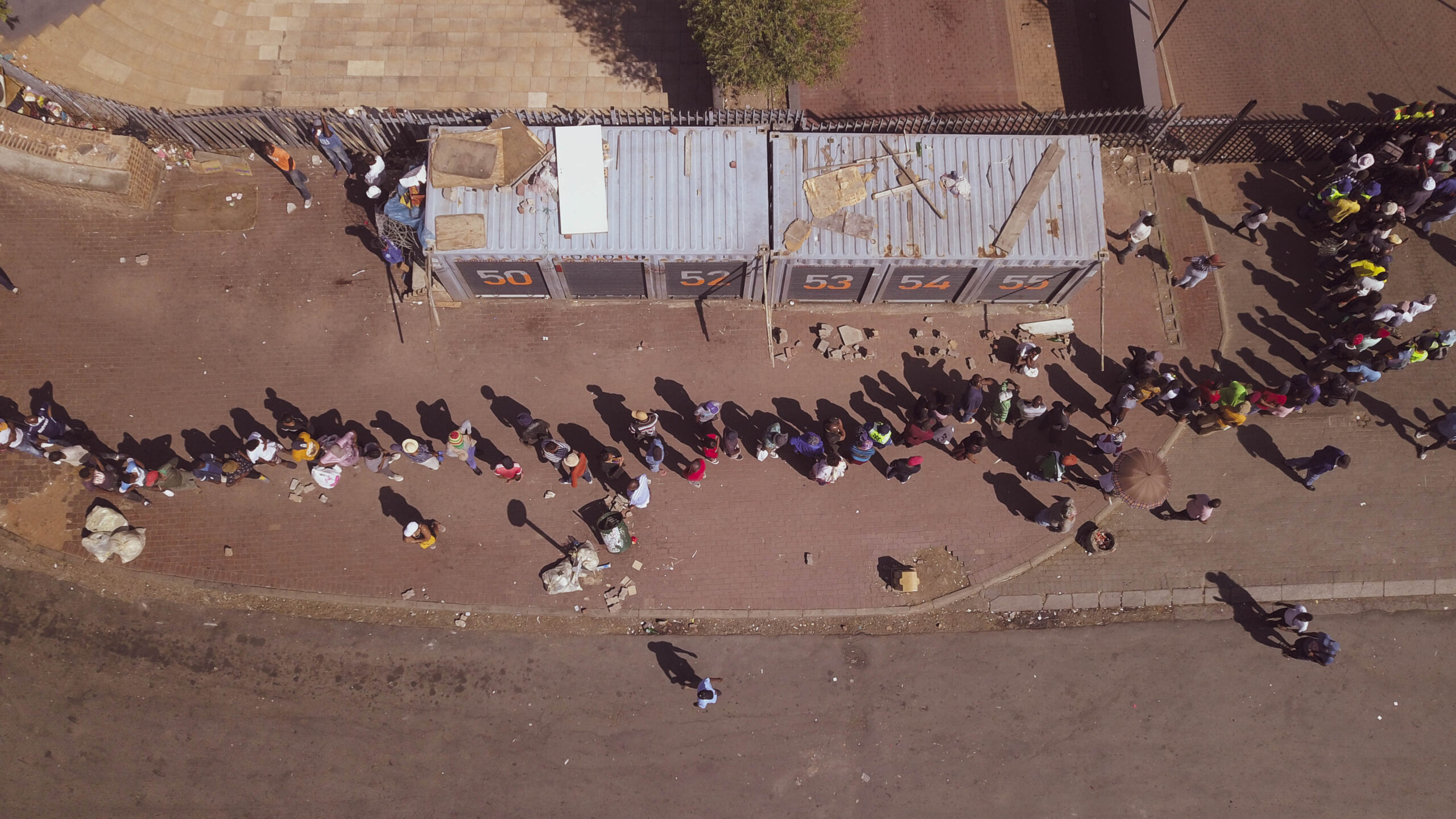
Why the region’s social development challenges are less about policy and more about scalable physical structures
Across Southern Africa, development debates often centre on funding and governance. Yet on the ground, the constraint is practical: many communities still lack the physical infrastructure required for health, education, sanitation, and dignified living.
Social infrastructure – the buildings that enable society to function – remains one of the region’s largest barriers to long-term growth and wellbeing.
1. Education Facilities – Access Without Adequate Space
School enrolment has expanded, but infrastructure and maintenance has not kept pace with population growth.
What this means in practice:
-
Overcrowded classrooms
-
Temporary or unsafe structures
-
Limited early childhood facilities
-
Schools without adequate sanitation
Children may be enrolled but still lack a suitable place to learn.
Impact: Learning outcomes decline when infrastructure cannot support attendance, hygiene, and safety.
2. Sanitation – The Most Persistent Public Health Risk
Many communities still rely on:
-
Pit latrines
-
Shared facilities
-
Failing or temporary structures
Schools are particularly affected, with facilities often closed due to maintenance costs.
Impact: Public health, attendance, and dignity are directly affected – especially for girls.
3. Healthcare Buildings – Services Without Facilities
Healthcare programmes exist, but facilities remain limited:
-
Overcrowded clinics
-
Temporary outreach structures
-
Aging buildings requiring repair
Impact: Access to healthcare is constrained by physical space, not only staff shortages.
4. Housing – Urbanisation Outpacing Construction
Informal settlements expand faster than formal housing delivery.
Typical realities:
-
High-risk living environments
-
Non-durable materials
-
Infrastructure installed after settlement
Impact: Housing shortages place pressure on sanitation, schools, and clinics.
5. Waste Management – An Invisible Infrastructure Gap
Waste management is often not recognised as core social infrastructure, yet it underpins public health, environmental stability, and urban resilience. Across Southern Africa, waste collection, sorting, and processing systems remain uneven and under-capacitated, particularly in rapidly growing peri-urban and informal areas.
In many municipalities, collection coverage does not extend consistently to all communities, resulting in waste being disposed of in open spaces, informal dumps, or waterways. Even where collection exists, processing capacity is limited, meaning large volumes of waste are still directed to landfill.
Impact: The challenge is most visible in non-recyclable and low-value materials, such as multilayer food packaging and contaminated plastics.
The Pattern Behind the Shortfalls
These challenges share a structural cause:
Infrastructure delivery cannot keep up with population growth at current cost and construction speeds.
Where infrastructure is expensive, slow to build, and costly to maintain — shortfalls persist regardless of policy intent.
How 4 Earth South Africa Helps Address the Gap
4 Earth South Africa approaches the challenge differently — by linking waste management and infrastructure delivery into a single system.
The company manufactures durable composite building materials by converting non-recyclable plastic waste and organic fibres into structural components used for:
-
Classrooms and early learning centres
-
Sanitation facilities
-
Clinics and community buildings
-
Housing components
Because the materials are:
-
Lower cost than imported alternatives
-
Maintenance-free
-
Resistant to moisture, pests, and corrosion
they allow infrastructure to be deployed faster and maintained at lower long-term cost.
At the same time, the model:
-
Creates stable manufacturing and construction jobs
-
Reduces waste entering rivers and landfills
-
Enables municipalities and partners to deliver facilities at scale
Rather than treating waste, employment, and infrastructure as separate challenges, the approach connects them into one delivery pathway.
Why This Matters
Social infrastructure determines whether development programmes succeed. Teachers, nurses, and municipal services cannot function effectively without physical facilities.
Southern Africa does not lack awareness of needs.
It requires scalable ways to deploy durable infrastructure fast enough to meet demand.
By turning waste into building materials, 4 Earth South Africa demonstrates a practical pathway where environmental management and infrastructure provision reinforce each other – helping communities live, learn, and work with dignity.